Recycling and Sustainability for Gardeners Harlesden
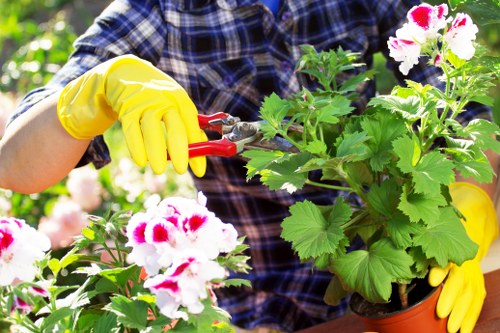 Gardeners Harlesden is committed to creating an eco-friendly waste disposal area and a robust, sustainable rubbish gardening area across Harlesden and surrounding neighbourhoods. Our approach balances practical site management with the ambition to reduce carbon emissions and divert green waste from landfill. By combining careful on-site sorting, partnerships with local charities, and a fleet of low-carbon vans, we aim to make composting, reuse and recycling the default choice for every gardener and community garden plot.
Our plan is grounded in local reality: London boroughs promote a clear approach to waste separation, and Harlesden follows suit with kerbside collections that separate food waste, garden waste, dry recyclables (paper, card, plastic and metal) and glass. These municipal schemes inform our on-site sorting standards so that an eco-conscious disposal zone at community allotments and private gardens can plug seamlessly into borough transfer networks.
 To make change measurable we have set a clear recycling percentage target: 65% recycling and composting across Gardeners Harlesden operations by 2030, with an interim milestone of 50% by 2026. That target includes a focus on increasing garden and woody waste recovery, boosting home and community composting, and reducing contamination in recyclable streams. Achieving this relies on trained staff, clear signage in our sustainable rubbish gardening area and routine reporting so progress is visible to the whole community.
At the heart of our operational model are the local transfer stations that take sorted material on to processing facilities. We coordinate collections to Park Royal transfer facilities and nearby North London transfer hubs that accept source-separated green waste, mixed dry recyclables and food organics. By planning collections around these local transfer stations we shorten haulage distances and reduce double-handling — key steps to lowering the overall carbon footprint of waste management for Harlesden gardeners.
 We emphasise collaboration and have established partnerships with charities and community organisations to maximise reuse and redistribution. These partnerships include reputed London environmental charities such as Trees for Cities and Groundwork London, plus local allotment associations and redistribution services that take usable soil, compost, plant pots and tools for community reuse rather than disposal. Working with these partners turns potential landfill items into resources for community greening projects.
Practical measures in our eco-friendly waste disposal area are straightforward and effective: clear labelling, separate bays for woody garden waste, loose leaf and grass cuttings, a designated bin for plastics and pots that can be recycled, and a food-scrap collection point for community composting. We also run seasonal swap events where garden materials and surplus plants are exchanged, keeping valuable organic matter circulating locally instead of entering the residual waste stream.
Transport is a major part of our sustainability plan. Gardeners Harlesden operates a growing fleet of low-carbon vans and cargo e-bikes to service the sustainable rubbish gardening area and collection rounds. These vehicles include fully electric vans and plug-in hybrid light trucks that reduce emissions on narrow urban routes, and we prioritise charging using renewable energy where available. The shift to low-emission transport lowers local air pollution and supports our carbon reduction targets.
To help gardeners adopt best practice we provide clear, on-site instructions and frequent community workshops (not as step-by-step guides but as short informational sessions) that explain borough waste separation rules, what can be composted, and how to avoid contamination of recyclable loads. We stress the importance of keeping soil, stones and non-compostable materials out of green-waste streams so that the material arriving at transfer stations is fit for processing.
 Alongside operational systems, we maintain a sustainability toolkit that includes low-impact mulching techniques, advice for reducing bagged waste, and incentives for gardeners who achieve high recycling rates. These tools are complemented by a network of volunteer waste coordinators who monitor the sustainable rubbish gardening area, report on volumes diverted from landfill, and liaise with transfer stations to ensure smooth handover.
 Measuring outcomes is essential. We publish annual summaries of material types collected (green waste, food waste, dry recyclables and reusable items), track contamination levels, and compare performance to the borough baseline. This data-driven approach helps refine collection schedules to local peaks, improve routing for our low-carbon vans, and show funders and partners that our approach reduces environmental impact while supporting vibrant community gardening.
Key actions Gardeners Harlesden promotes include:
- Kerbside-compatible sorting to match borough streams for easy transfer to recycling facilities.
- Community compost hubs that accept food and garden waste for local compost production.
- Reuse partnerships with charities and allotment groups to redistribute usable materials.
- Low-emission logistics using electric vans, cargo bikes and optimised routes.
Our vision is simple: an interconnected network of gardeners, charities, transfer stations and low-carbon transport that turns Harlesden into a model of circular, sustainable gardening. By prioritising an eco-friendly waste disposal area and practical, community-centred systems in the sustainable rubbish gardening area, Gardeners Harlesden aims to protect soil health, cut greenhouse gases and keep green resources working for local people and wildlife.

