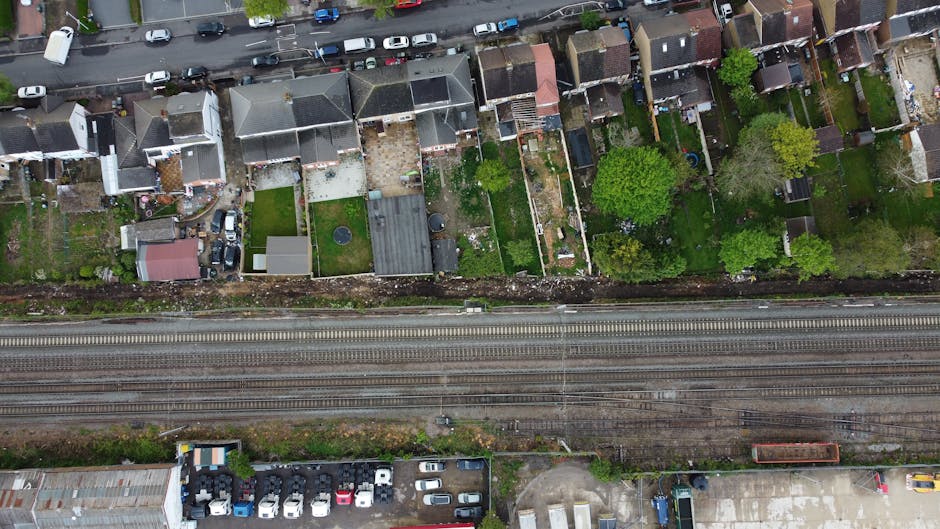
Harlesden garden maintenance near Willesden Junction station: a practical local guide for busy homes, rentals and small outdoor spaces
If you are looking into Harlesden garden maintenance near Willesden Junction station, chances are you want a garden that looks cared for without becoming another weekend job you never quite get to. Fair enough. Between commuting, work, family life and the usual London pace, outdoor spaces can slip quickly from "neat and usable" to "I'll deal with that next month". This guide explains what good maintenance looks like, how it works, what to expect, and how to choose the right level of help for your garden.
Whether you manage a compact back garden, a shared rental space, or a slightly overgrown plot that has been ignored for one season too many, the aim is the same: a tidy, healthy, practical garden that feels easy to use. You will also find links to useful service pages where relevant, including garden maintenance support, lawn mowing, hedge trimming and garden clearance.
One quick reality check: good garden care is not just about making things look pretty on the day. It is about preventing avoidable problems later. And that, to be fair, is where the real value sits.
Table of Contents
- Why Harlesden garden maintenance near Willesden Junction station Matters
- How Harlesden garden maintenance near Willesden Junction station Works
- Key Benefits and Practical Advantages
- Who This Is For and When It Makes Sense
- Step-by-Step Guidance
- Expert Tips for Better Results
- Common Mistakes to Avoid
- Tools, Resources and Recommendations
- Law, Compliance, Standards, or Best Practice
- Options, Methods, or Comparison Table
- Case Study or Real-World Example
- Practical Checklist
- Conclusion
- Frequently Asked Questions
Why Harlesden garden maintenance near Willesden Junction station Matters
Gardens near Willesden Junction station often need a slightly different approach from suburban lawns with plenty of space. In Harlesden, many properties sit close together, outdoor areas can be compact, and access may be a bit fiddly. That means the basics matter even more: clear paths, controlled growth, tidy edges, and regular attention before weeds, moss, or self-seeded plants start running the show.
There is also the everyday local factor. Properties near transport links tend to see more foot traffic, more dust, and sometimes more clutter from shared use or rental turnover. A garden that is lightly maintained can quickly start to look neglected, even if the structure underneath is fine. Once a space feels messy, it is usually harder to enjoy it. Hardly surprising, really.
Good garden maintenance is about keeping your space safe, attractive and manageable. It can include routine lawn care, hedge trimming, border tidying, pruning, leaf clearance, weed control, seasonal planting and general upkeep. For some gardens, it also means coordinating with bigger improvements such as landscaping or longer-term landscape gardening if the layout itself needs work.
Expert summary: if your garden is small, shared, or used often, regular maintenance is usually more cost-effective than occasional rescue work. A little attention, done consistently, tends to save a lot of headache later.
How Harlesden garden maintenance near Willesden Junction station Works
In practical terms, garden maintenance starts with a look at what the space actually needs, not just what it looks like from the patio door. A good provider will usually assess the lawn, borders, hedges, access routes, waste volume, and any safety issues such as slippery surfaces or unstable growth.
From there, the work is usually divided into routine and occasional tasks. Routine tasks are the repeat jobs that keep things stable: mowing, edging, weeding, sweeping, pruning light growth, checking plants, and keeping boundaries under control. Occasional tasks are the bigger jobs that happen less often, such as a full seasonal tidy-up, clearance after a long gap, or cutting back overgrown hedges.
In many cases, the work can be scheduled weekly, fortnightly, monthly, or seasonally. The right cadence depends on the size of the garden, the type of planting, and how much use the space gets. A family garden with children and pets will need a different rhythm from a quiet rental courtyard. Obvious enough, but people sometimes miss it.
For a more complete service picture, it helps to view maintenance as part of a wider care plan. For example, a garden may need mowing most visits, hedge cutting every so often, and a broader tidy-up before spring or autumn. If the area has awkward access, debris build-up or old furniture left behind, then garden clearance can be folded in before ongoing maintenance begins.
When the work is done properly, you should notice a simple pattern: the garden becomes easier to keep tidy, not harder. That is the whole point.
Key Benefits and Practical Advantages
There are plenty of reasons people search for garden maintenance near Willesden Junction station, but the strongest ones are practical. A maintained garden saves time, reduces stress and protects the condition of the space.
- Better first impressions: neat lawns, trimmed hedges and tidy borders make a property feel looked after.
- Lower long-term effort: regular upkeep prevents the "one massive job" scenario that nobody enjoys.
- Improved safety: clear paths, reduced overgrowth and less garden waste mean fewer trip hazards and hiding spots for damp or pests.
- Healthier planting: pruning, feeding and seasonal care help plants grow more evenly and stay stronger.
- More usable space: when the garden is maintained, you can actually sit in it, use it, and enjoy it.
- Better property value perception: not a guarantee, of course, but a neat outdoor area helps a property present well.
There is also a mental benefit that gets underestimated. Walking out into a calm, tidy garden on a grey London morning, with the smell of fresh cut grass or damp soil after light rain, changes how the whole home feels. It sounds small. It isn't, really.
If your garden includes decking or a more designed layout, regular maintenance also helps protect finishes and stop dirt building up at the edges. In those cases, you may want to combine upkeep with decking services if surfaces need repair, replacement or better integration with planting.
Who This Is For and When It Makes Sense
Not every garden needs the same level of attention. Some people can manage with occasional help, while others need a repeat service to keep on top of things. The question is not simply "do I need a gardener?" It is "how often do I need the garden brought back to a workable condition?"
This type of maintenance usually makes sense for:
- homeowners who want a tidy space without giving up every spare Saturday
- landlords and letting agents who need outdoor areas kept presentable between tenancies
- tenants with a private garden who want to avoid building up too much work
- older residents who prefer support with physical tasks
- busy households juggling work, commuting, and family life
- small businesses or managed properties with outside space that needs reliable upkeep
It also makes sense if the garden has already slipped a bit. Once grass is patchy, hedges are blurring into paths, and weeds are taking hold in the borders, a one-off tidy-up may be the reset you need before a regular schedule begins. If the problem is more severe, a combination of maintenance and clearance can often bring the space back faster than piecemeal work.
Truth be told, many people only realise they need ongoing maintenance after the first decent tidy-up. Once everything is visible again, the next steps become obvious. That is usually a good sign.
Step-by-Step Guidance
If you are planning garden maintenance near Willesden Junction station, a sensible process will save time and confusion. Here is a straightforward way to approach it.
- Look at the whole space. Check the lawn, borders, hedges, patio or paving, fences, access points, and waste areas. Do not just focus on the bit you see first.
- Decide what needs regular attention. Some jobs repeat often, like mowing or weeding. Others are seasonal, like pruning or cutting back growth after a burst of spring rain.
- Prioritise safety and access. If the garden has narrow side access, uneven paving or heavy overgrowth, deal with that early.
- Set a maintenance rhythm. Weekly, fortnightly or monthly plans all work, depending on the garden's growth rate and use.
- Choose the right combination of services. A garden may need lawn mowing, hedge trimming, basic pruning, and occasional waste removal. Not every visit has to be identical.
- Review the results after a couple of visits. Is the lawn improving? Are weeds less persistent? Is the space easier to live with? If not, the schedule may need adjusting.
A useful detail here: maintenance works best when the provider knows what "good" looks like for your property. A family garden with play space has different priorities from a neat rental yard. If you want the whole picture before booking, it can help to review the broader services overview so you can see how the pieces fit together.
Expert Tips for Better Results
A few small habits make a surprising difference. They are not fancy. They just work.
- Keep growth in check early. A hedge cut when it first gets shaggy is much easier than a hedge left to swallow the path.
- Match mowing to season. Grass grows differently in spring, summer and colder months, so the schedule should flex a little.
- Do not leave clippings piled up. Wet cuttings can smother grass and make the garden look untidy fast.
- Clear edges as you go. Clean borders and path edges make even a modest garden look sharper.
- Think in layers. A garden can look clean but still function badly if access, drainage and planting are not considered together.
- Keep waste under control. If garden waste is left sitting around, the whole job feels half-finished.
A small but real-world tip: in busy London back gardens, access often dictates the pace of work more than the actual size of the space. A tiny garden with awkward steps and narrow side passage can take longer than a bigger open plot. That is not a complaint, just life.
If you are concerned about trimming higher shrubs or larger trees, do not wing it with a ladder and a hopeful attitude. For anything beyond light shaping, it may be safer to consider tree lopping and removal options handled with proper care.
Common Mistakes to Avoid
Most garden maintenance problems are avoidable. The issue is usually delay, not complexity.
- Waiting until the garden is heavily overgrown. Once weeds, hedge growth and grass have all had a long run, the fix becomes slower and costlier.
- Only tackling the visible parts. The rear borders, shed sides and fence lines often hide the real mess.
- Ignoring recurring jobs. One tidy-up is useful, but gardens need rhythm. Otherwise they drift back.
- Cutting too much at once. Heavy pruning at the wrong time can stress plants. Better to be measured.
- Forgetting about disposal. A job is not truly done if the waste is still sitting in bags for two weeks.
- Choosing a one-size-fits-all plan. A good maintenance approach should reflect your actual use, not a generic template.
One sneaky mistake people make is assuming a tidy lawn means the whole garden is under control. Then you round the side of the house and, well, it tells a different story. Happens all the time.
Tools, Resources and Recommendations
You do not need a van full of equipment to maintain a small Harlesden garden, but the right tools make a huge difference. For routine work, the basics usually include a mower, secateurs, shears, pruning tools, a rake, gloves, a broom or leaf blower, and bags or bins for waste.
If you are managing the garden yourself between professional visits, keep the kit simple and usable. A tool that is too heavy, too fiddly or buried in the shed is not much use on a wet Tuesday evening, is it?
For more involved work, especially where there is uneven ground, significant clearance or stubborn growth, a professional visit may be the smarter route. The point is not to own every tool. The point is to keep the garden in good shape without overcomplicating the job.
It is also worth thinking about the disposal side of things. Responsible recycling and waste handling matters, particularly if you have regular clippings, branches, and mixed green waste. If environmental handling is important to you, take a look at recycling and sustainability to understand how garden waste can be dealt with thoughtfully.
And if you want to compare service types before deciding, pricing and quotes is a useful next stop for understanding how scope and frequency can affect the overall cost.
Law, Compliance, Standards, or Best Practice
Garden maintenance is not usually a heavily regulated service in the same way as construction or electrical work, but that does not mean standards do not matter. Good providers still work to recognised best practice around safety, waste handling, insurance, and care for property boundaries.
In practical terms, you should expect a service to handle tools responsibly, respect access arrangements, and avoid damage to paving, fencing, sheds, or planting that is not meant to be removed. If any larger tree work is involved, caution matters even more. Not everything should be handled as routine trimming; some jobs call for more careful assessment.
It is also sensible to check how a provider approaches safety and insurance. If work involves heights, heavier machinery, or awkward access, the team should be clear about working methods and the precautions they use. A sensible place to start is the site's insurance and safety information, and if you want to understand how the business handles general responsibilities, the health and safety policy and about us pages are useful background reading.
There is also a basic customer-service expectation here: clear communication, fair scheduling, and a transparent approach to concerns or complaints if something goes wrong. That stuff matters. Quietly, it matters a lot.
Options, Methods, or Comparison Table
People often assume garden maintenance is one service with one shape, but in reality there are several ways to approach it. The table below gives a simple comparison.
| Approach | Best for | Typical strengths | Possible drawbacks |
|---|---|---|---|
| Light routine maintenance | Small gardens that stay fairly tidy | Cost-effective, keeps growth under control, easy to schedule | May not be enough if the space has already become overgrown |
| Seasonal maintenance | Gardens that need a strong spring or autumn reset | Good for major tidy-ups and changing weather patterns | Can allow problems to build between visits |
| Full ongoing maintenance | Busy homes, rentals, and high-use gardens | Most consistent results, easier to plan, less surprise workload | Usually more expensive than occasional help |
| Maintenance plus clearance | Neglected gardens or spaces with excess waste | Fastest route back to a usable garden | Needs more initial effort and coordination |
If your garden is already beyond a standard tidy-up, a combined approach is often the most practical. A proper reset, followed by regular maintenance, usually beats trying to nurse the space back one corner at a time. Slow is fine. Half-finished is not.
Case Study or Real-World Example
Imagine a small terrace garden a short walk from Willesden Junction station. The owner uses the space for morning coffee and the occasional weekend sit-down, but after a few months of busy work and a bit of rain, the lawn has grown uneven, the hedge has started to lean into the path, and weeds are pushing through the borders.
The first visit focuses on the obvious problems: lawn cutting, edge clean-up, hedge trimming, border weeding, and a quick sweep of the patio. A second visit a few weeks later keeps the grass under control and checks whether the hedge is regrowing evenly. By the third visit, the garden feels manageable rather than dramatic. No big reveal, no miracle. Just steady improvement.
What changed most was not the size of the garden. It was the rhythm. Once the owner had a sensible maintenance pattern, the space stopped fighting back. That is usually the real win with small London gardens: you do not need perfection, just consistency.
Practical Checklist
Use this checklist before booking or scheduling garden maintenance near Willesden Junction station.
- Check whether the garden needs routine care, a seasonal tidy, or a full reset.
- Identify any access issues, narrow passages, steps, or locked gates.
- Note the main priorities: lawn, hedges, borders, weeds, waste, or safety.
- Decide how often the space should be maintained.
- Ask whether clearance is needed before regular upkeep begins.
- Consider whether any larger tree work should be handled separately.
- Think about disposal of clippings and green waste.
- Review safety, insurance and general service information.
- Set a realistic budget and ask for a clear quote.
- Make sure the plan fits how the garden is actually used.
It sounds simple, but this is the difference between a garden that stays pleasant and one that becomes another nagging job on the list.
Conclusion
Harlesden garden maintenance near Willesden Junction station is really about keeping your outdoor space easy to live with. Not overworked. Not neglected. Just balanced, tidy, and ready to use when you want it. For local homes, rentals and compact gardens, regular maintenance is often the smartest way to stay ahead of weeds, overgrowth and avoidable mess.
The best results usually come from a simple mix: clear priorities, realistic scheduling, sensible safety, and the right blend of mowing, trimming, pruning and clearance when needed. If you treat the garden as part of the home rather than a separate headache, everything gets easier. A little consistency goes a long way.
Get a free quote today and see how much you can save.
Frequently Asked Questions
What does garden maintenance usually include?
It often includes mowing, edging, weeding, hedge trimming, pruning light growth, leaf clearance and general tidying. Some gardens also need waste removal or a seasonal reset.
How often should I book maintenance for a small garden near Willesden Junction station?
That depends on growth and use, but many small gardens benefit from fortnightly or monthly care. Fast-growing lawns and hedges may need more frequent visits in spring and summer.
Is garden clearance the same as garden maintenance?
No. Clearance is usually a bigger one-off job to remove waste, overgrowth or accumulated debris. Maintenance is the ongoing work that keeps the garden under control afterwards.
Can garden maintenance help if my garden is already overgrown?
Yes, but it may need a reset first. In that case, clearance and maintenance together are often the most practical way forward.
Do I need hedge trimming separately from garden maintenance?
Sometimes yes. Hedge trimming can be part of routine maintenance, but larger or more detailed hedge work may need a dedicated visit, especially if growth is heavy.
What should I look for in a local gardener?
Look for clear communication, a sensible maintenance plan, safe working practices, and a service that understands the size and condition of your garden rather than selling a one-size-fits-all package.
How do I know if my garden needs landscaping instead?
If the problem is structural rather than cosmetic, such as poor layout, drainage issues, unusable surfaces or awkward levels, landscaping may be more appropriate than simple maintenance.
Is lawn mowing enough to keep the garden tidy?
Usually not. A neat lawn helps a lot, but borders, hedges, weeds, paths and waste all need attention too if you want the whole space to feel cared for.
What happens if I leave maintenance for too long?
The job usually gets bigger and more expensive. Growth becomes harder to control, weeds spread, and what could have been a routine visit turns into a more involved tidy-up.
Can maintenance include decking or hard landscaping areas?
Yes, to a point. Maintenance can keep decking and paved areas clean and usable, but damaged or aging surfaces may need more specific work such as decking services or broader landscaping support.
How do I get a quote without overcomplicating things?
Be clear about the garden size, current condition, access, and the main jobs you want done. A simple, honest description usually gets you a better estimate than trying to guess the perfect technical wording.
Are garden waste and clippings handled responsibly?
They should be. Good practice is to remove, sort and dispose of waste carefully, with recycling considered where suitable. If that matters to you, ask how the service approaches green waste and disposal.
Where can I read more about the service and the company?
The most useful starting points are the services overview, about us, and contact us pages, which help you understand the wider service approach and next steps.
A well-kept garden does not need to be fussy. It just needs care, rhythm and a bit of honest attention now and then. That's usually enough to make it feel like yours again.